
Common Blues Jam Hand Signals
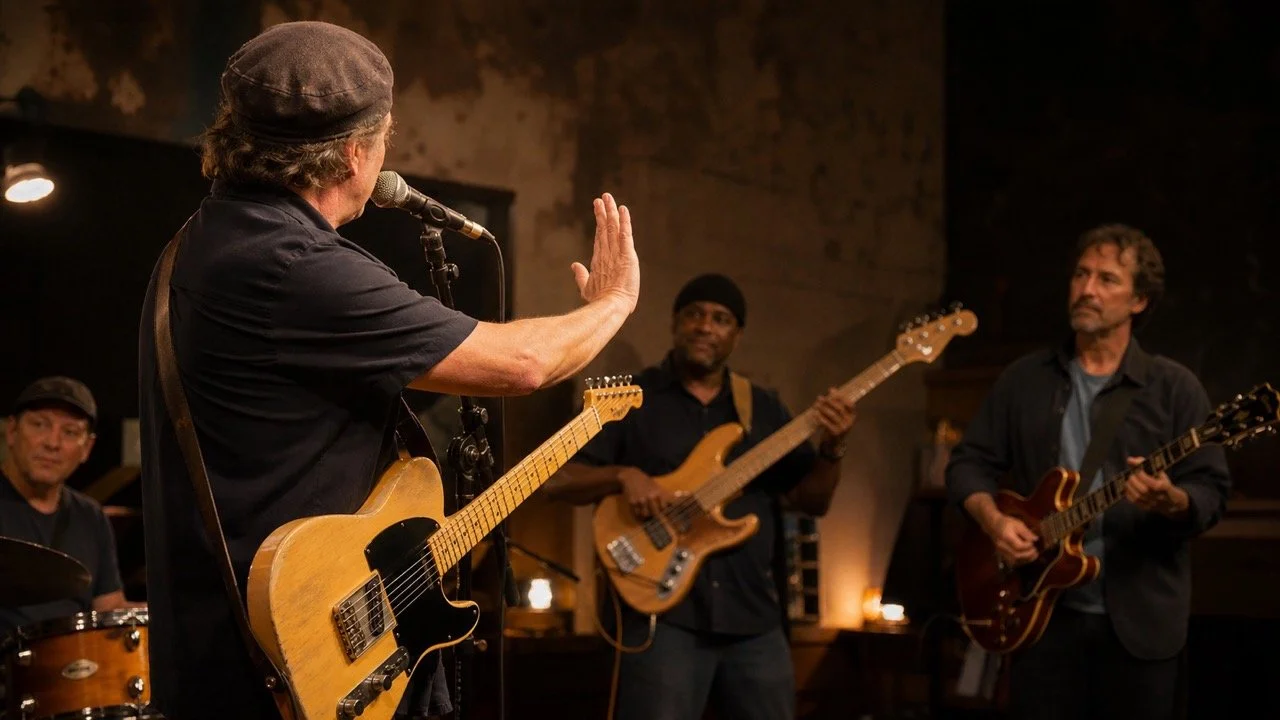
The Main Blues Jam Signals
Blues jam hand signals are not universal, but some turn up again and again: stop, one more chorus, keep going, bring it down, build it up, take a solo, and watch for the ending.
The trick is not memorising a secret code. The trick is watching the person leading the song, reading the room, and remembering that the same signal can mean slightly different things in different bands, countries and scenes.
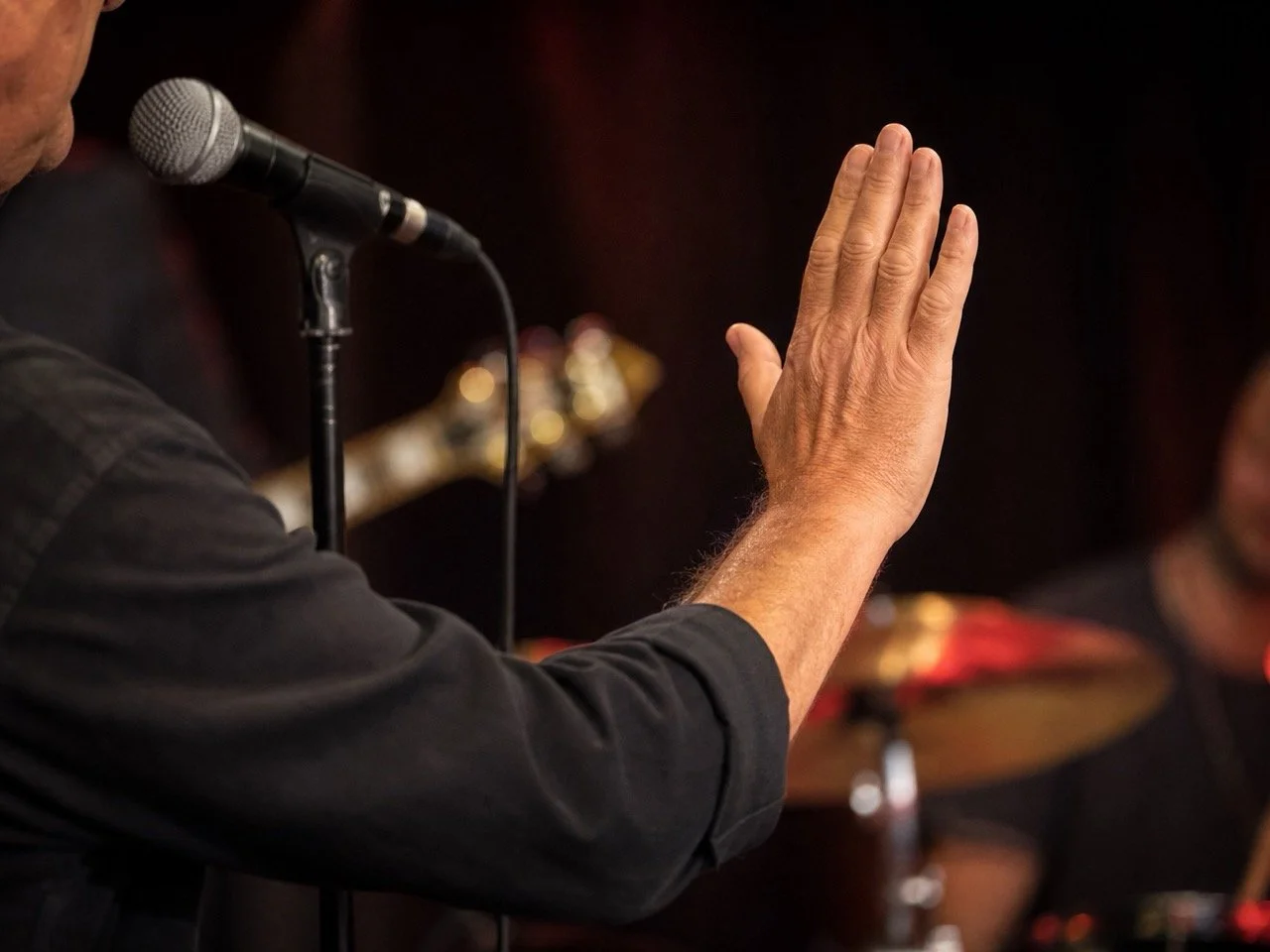
Open palm: stop, break, hold back
This is one of the clearest signals. It usually means “stop here”, “prepare for a break”, or “do not come in yet”. If it happens near the end, assume an ending or stop is coming.
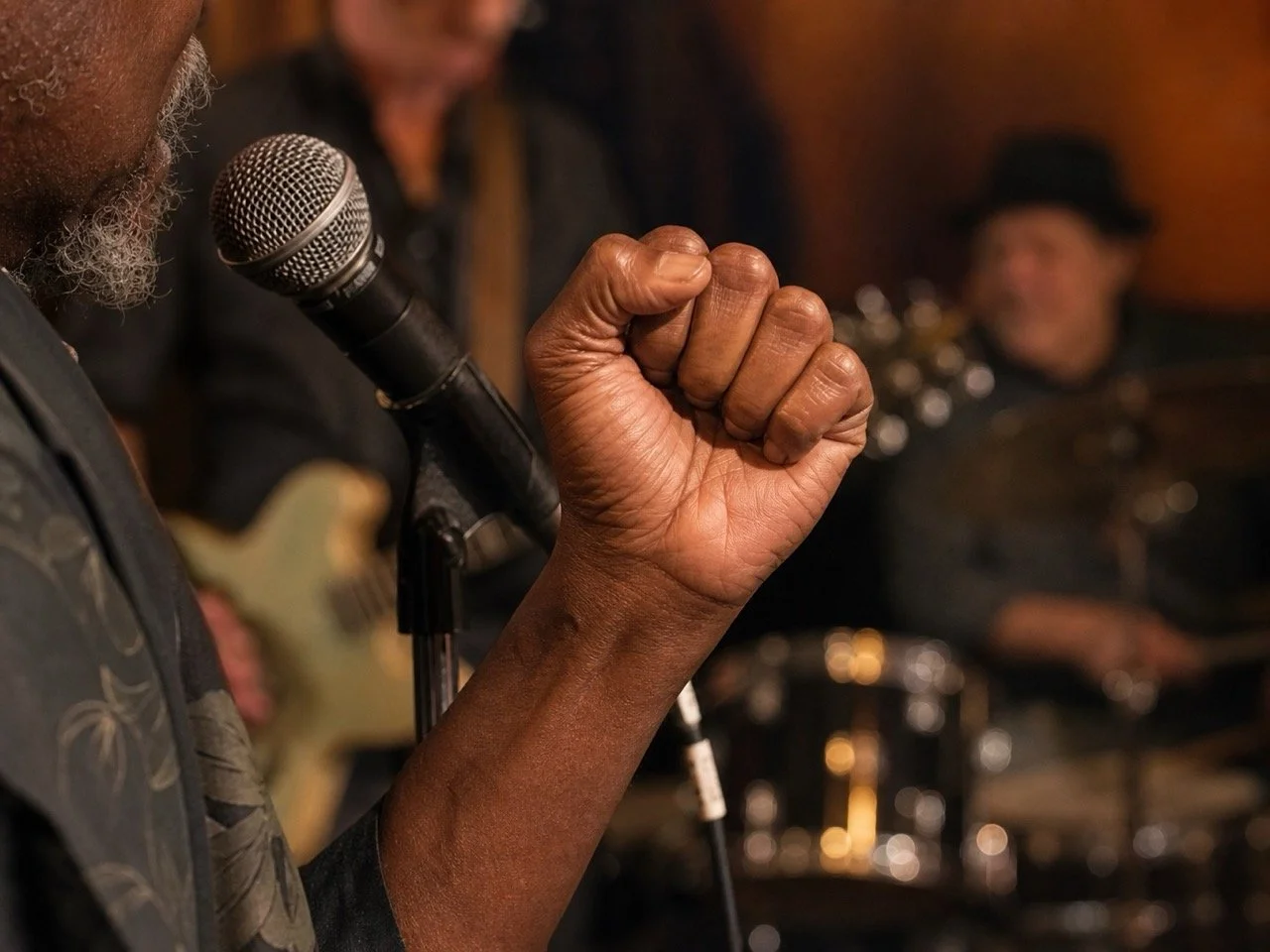
Closed fist: last time or ending soon
Common across jam and jazz sources. Often means “last chorus”, “last time through”, or “we are heading for the ending”. Not always “stop this second”. Watch the leader’s body language.
Big downward motion: final hit
Often means “hit this together” or “end now”. This may be a hand drop, guitar neck drop, drumstick lift-and-drop, or full-body cue. Very useful, but band-dependent.
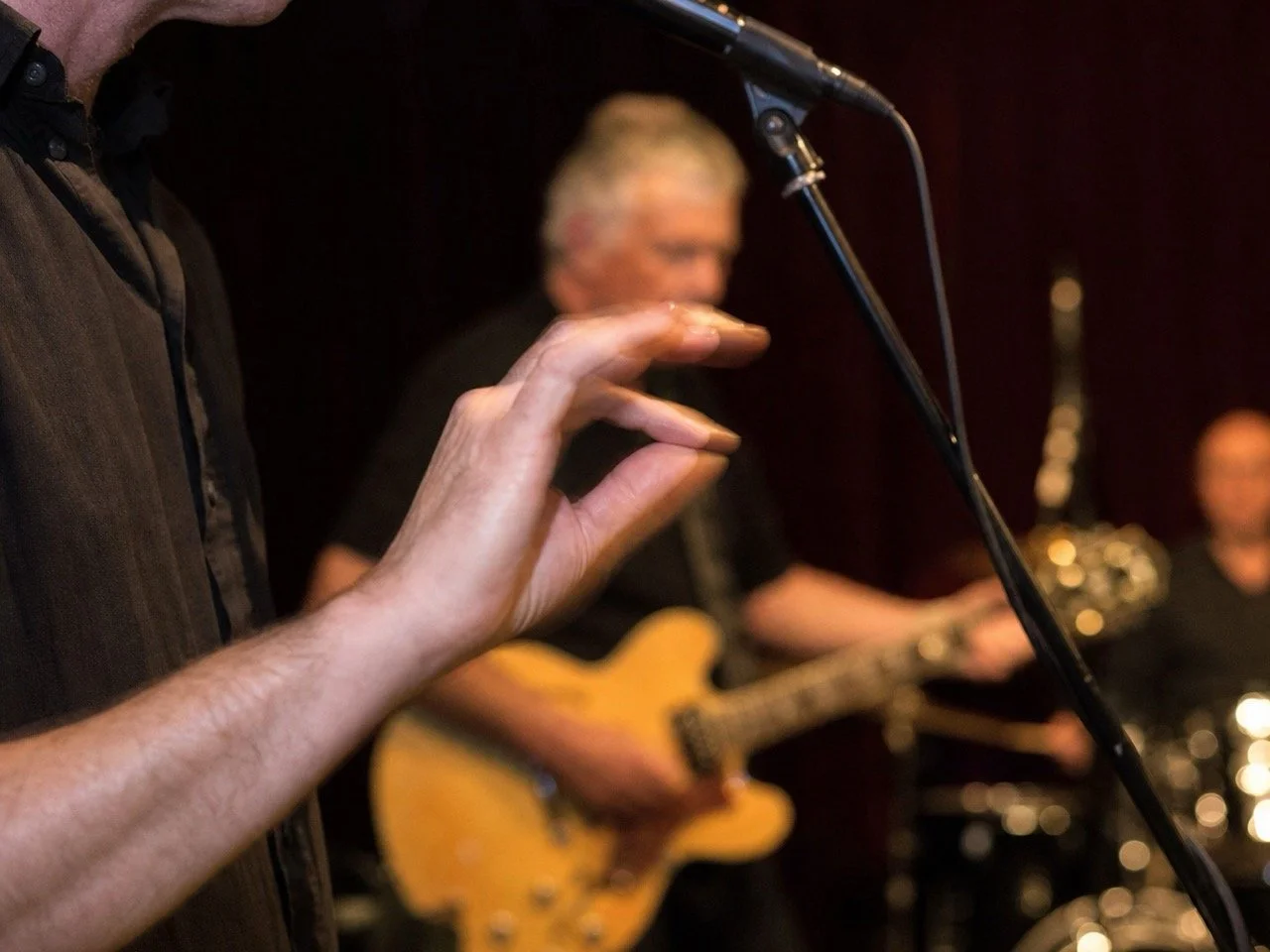
Circular hand motion (any shape): keep going, repeat, vamp
Usually means “go round again”, “repeat this section”, or “stay on the vamp”. In blues, it may mean another chorus. In jazz, it can mean another solo chorus or another pass before returning to the head.
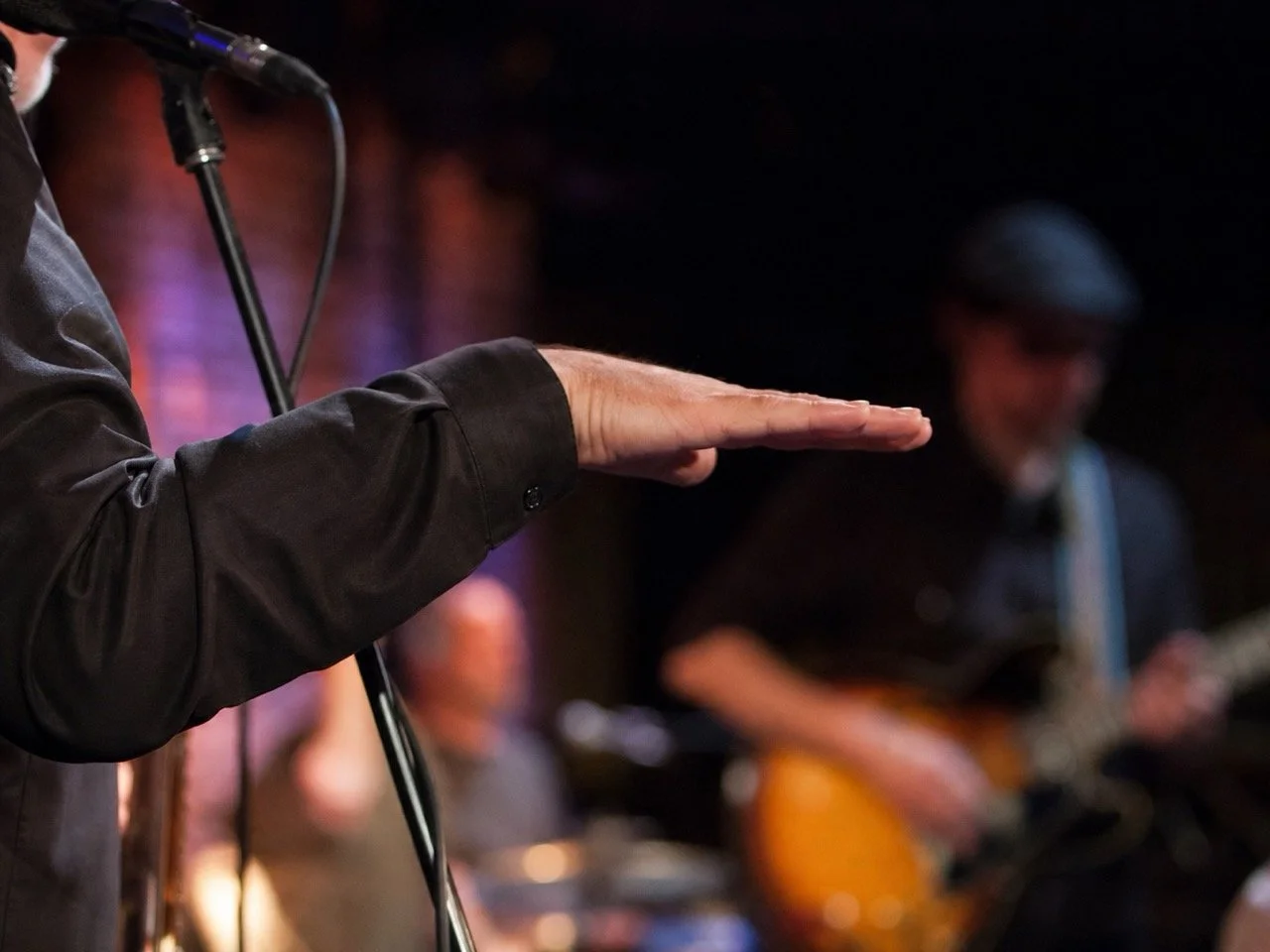
Palm down: bring it down
A flat palm pressing downward usually means reduce volume or intensity. This one is fairly intuitive and lines up with broader conducting/dynamic gestures.
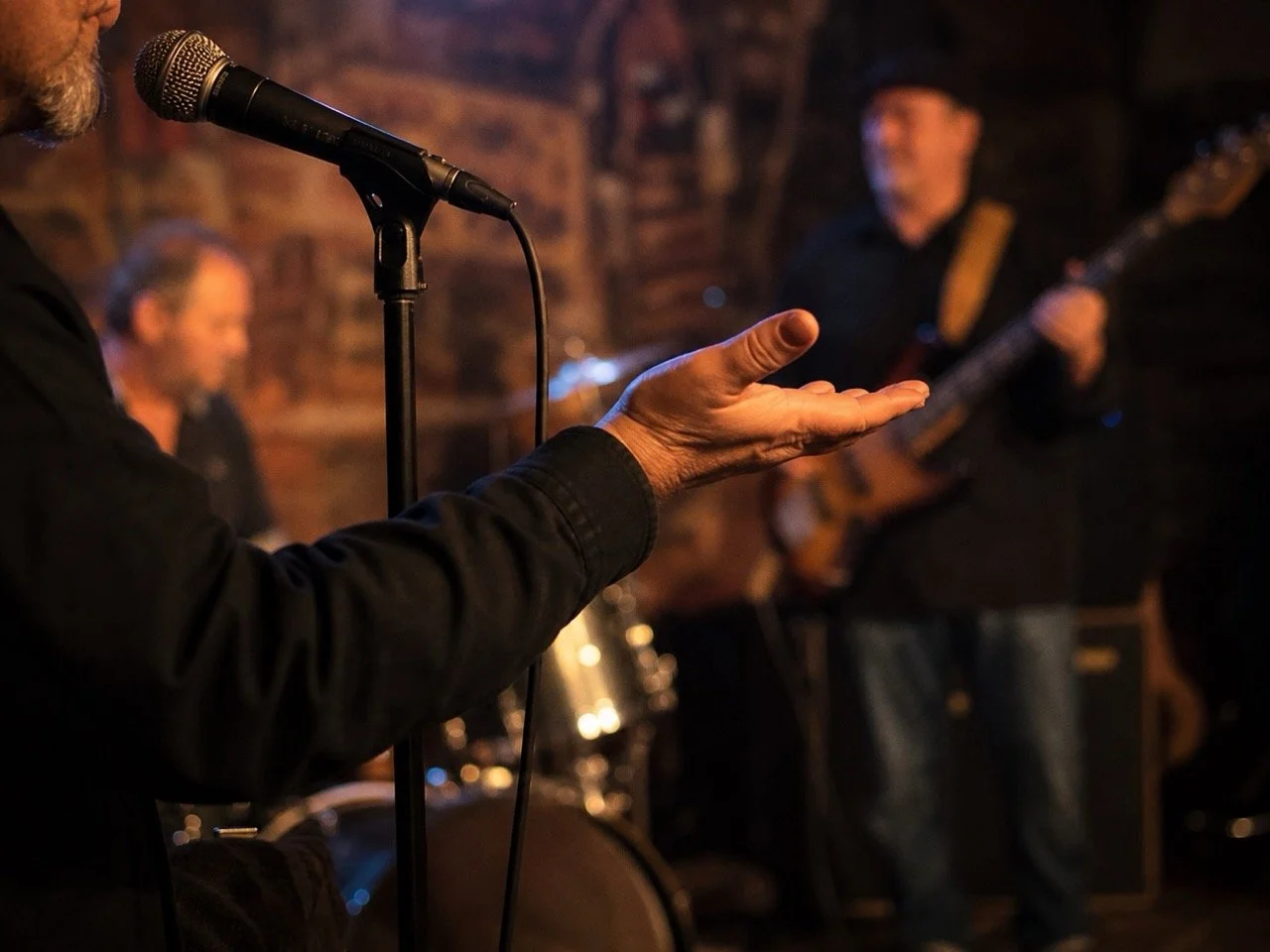
Palm up: build it up
A palm lifting upward usually means increase volume, energy or intensity. It does not always mean “play more notes”. Often it means the same part, with more commitment.
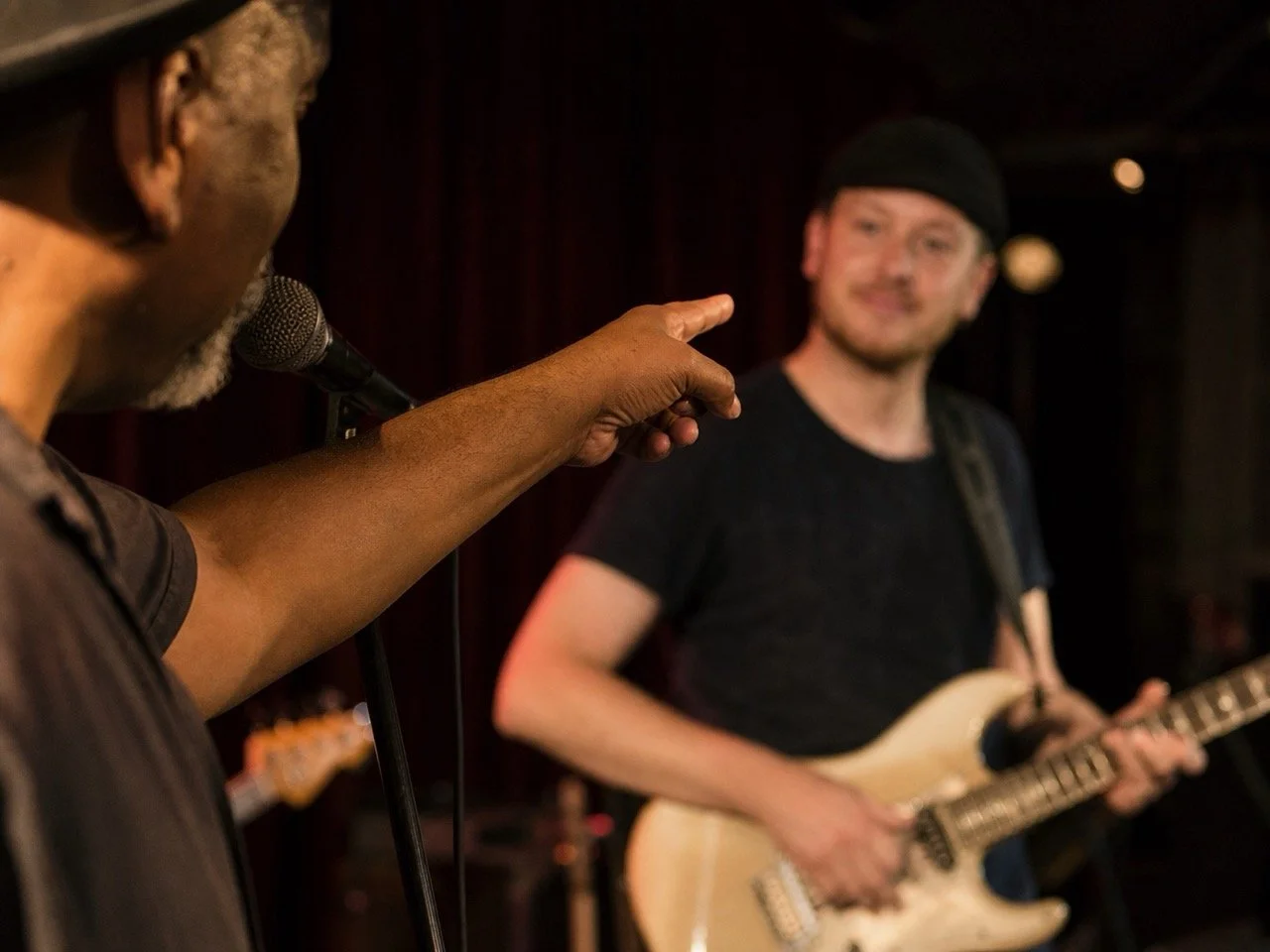
Pointing at a player: your solo or your entry
Very common. If the singer or bandleader points at you, they are probably giving you the next solo, entry or feature. Pointing works best with eye contact. Without eye contact, it becomes interpretive dance.
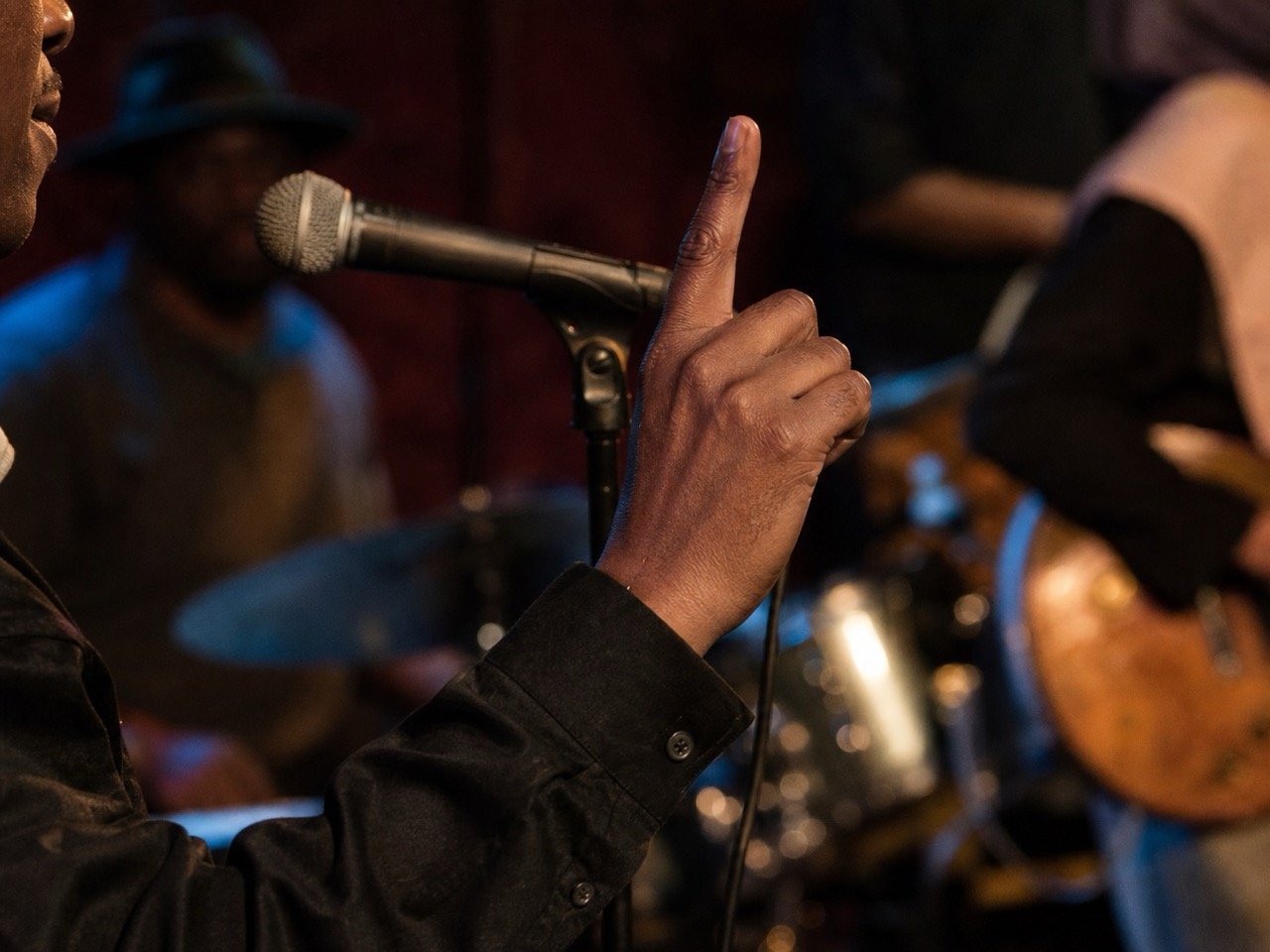
One finger: one more, the one, or your first warning
This varies. It can mean one more chorus, go to the I chord, take one chorus, or last time. In jazz/session contexts, number signals can also refer to chord roots or key information. Use context.
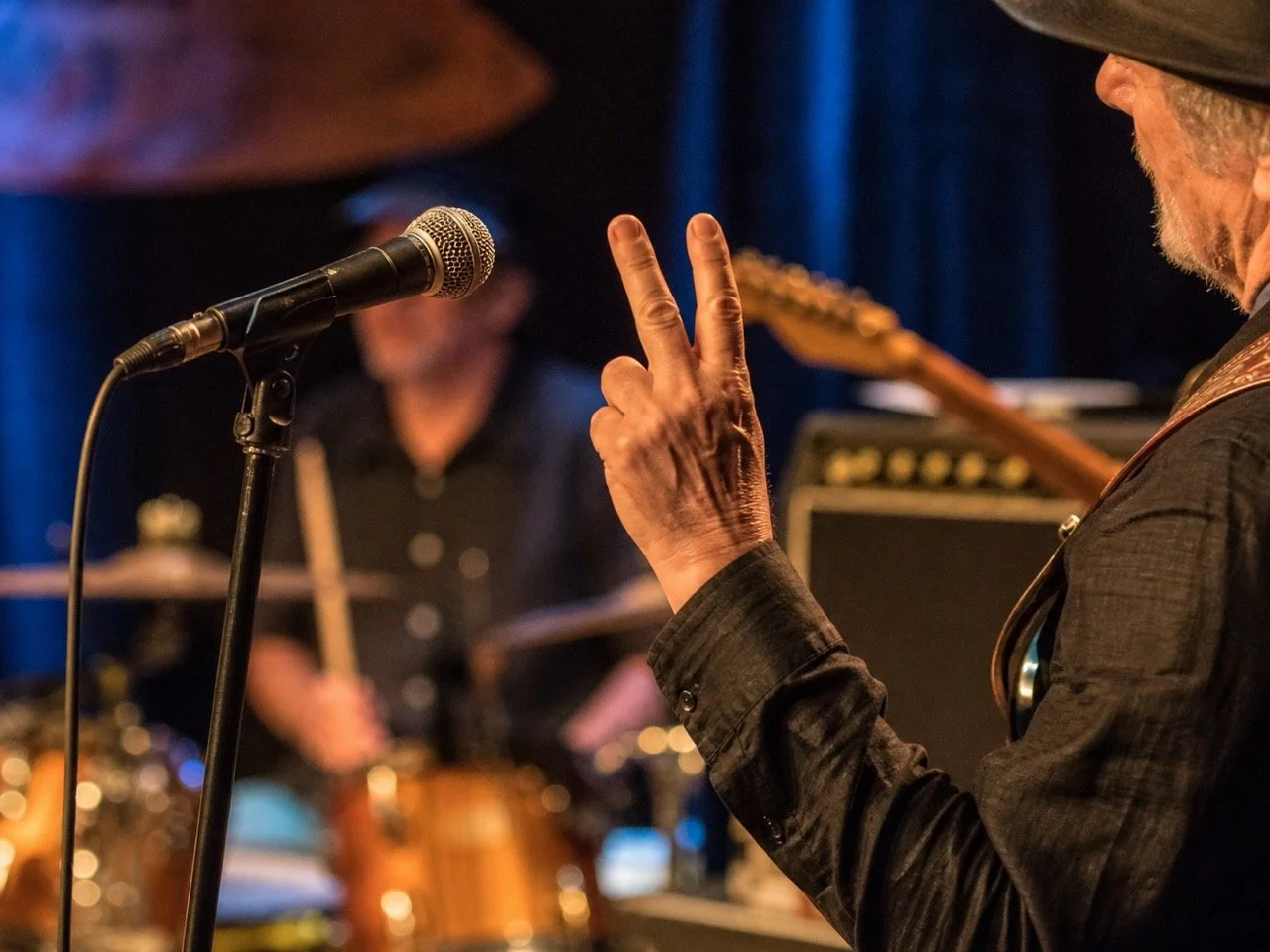
Two fingers: two more, second ending, or the II chord
Useful but not universal. It might mean two more choruses, second ending, a section number, or a chord number in a more number-system-aware band. This is where country and scene differences matter.
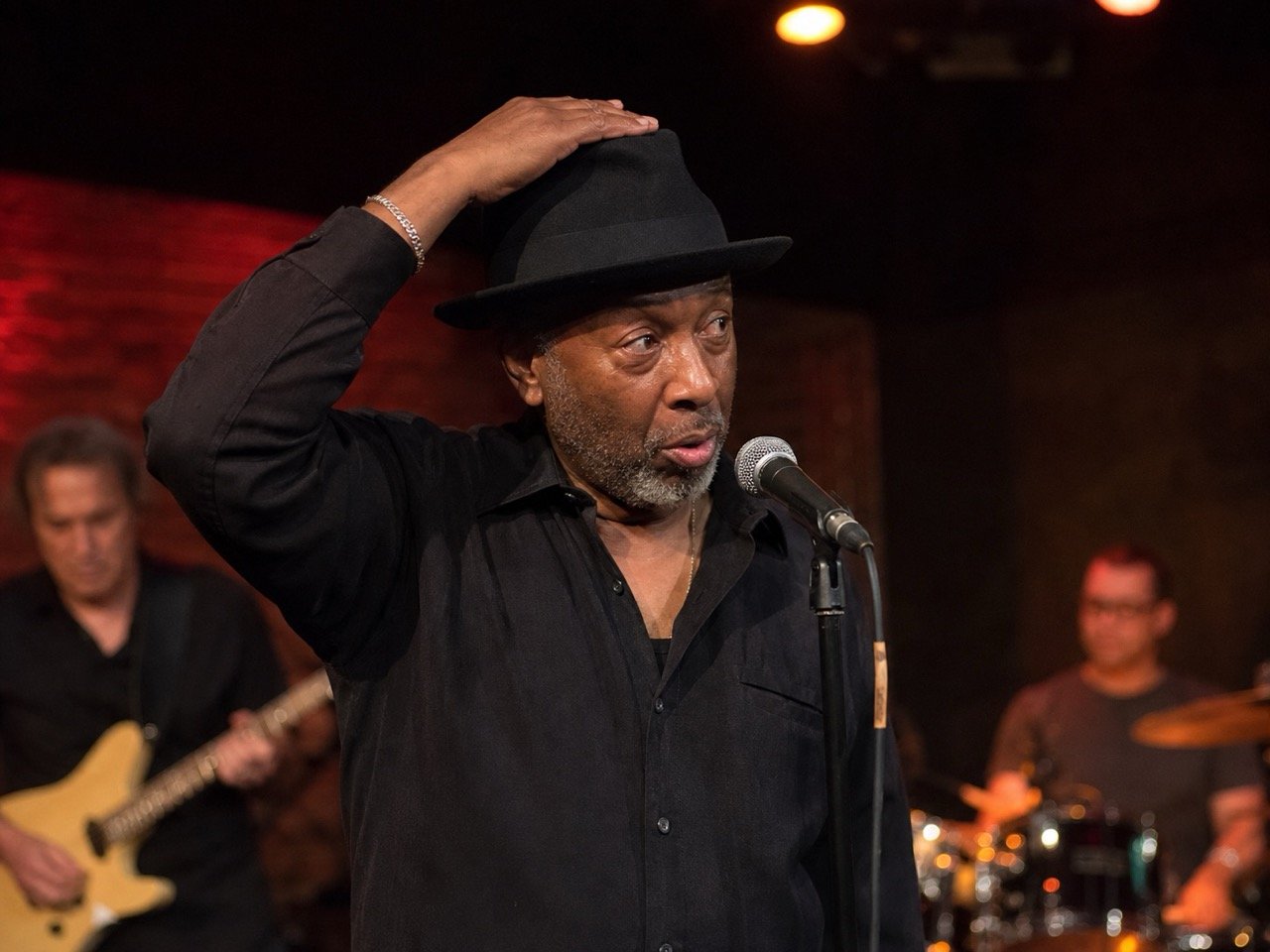
Touching the head: back to the head/top
More jazz than blues, but worth knowing. “The head” means the tune’s melody or main theme. In a blues jam, this may translate as “back to the vocal/head/top of the song”.
Signals I’ll Mention But Not for Core Blues Jam Law
Finger numbers for keys: commoner in jazz, horn, Nashville or session settings. Fingers up may indicate sharps, fingers down flats, depending on the system.
Trade fours: jazz language. Four fingers may mean trade four-bar phrases. Useful to know, but not everyday blues jam material.
Verse/chorus/bridge signs: common in worship, pop and corporate bands. Less central to blues jams.
Tag sign: means repeat the last line or ending phrase. Very useful when agreed, but not universally signalled the same way.
Key Warning
Number signals vary by country and scene. Even finger counting differs culturally, and musical number systems differ too. So with one and two fingers, do not assume too much. Watch the full context: where you are in the form, who is leading, whether the singer is near the end, and whether the drummer is preparing a change.
Sources
15 Minute Guitar Practice - Hand Signals You Should Know for Jamming
Sonicbids - 8 Jam Session Hand Signals
JazzEdNet - Traditional Jazz Ensemble Introduction
